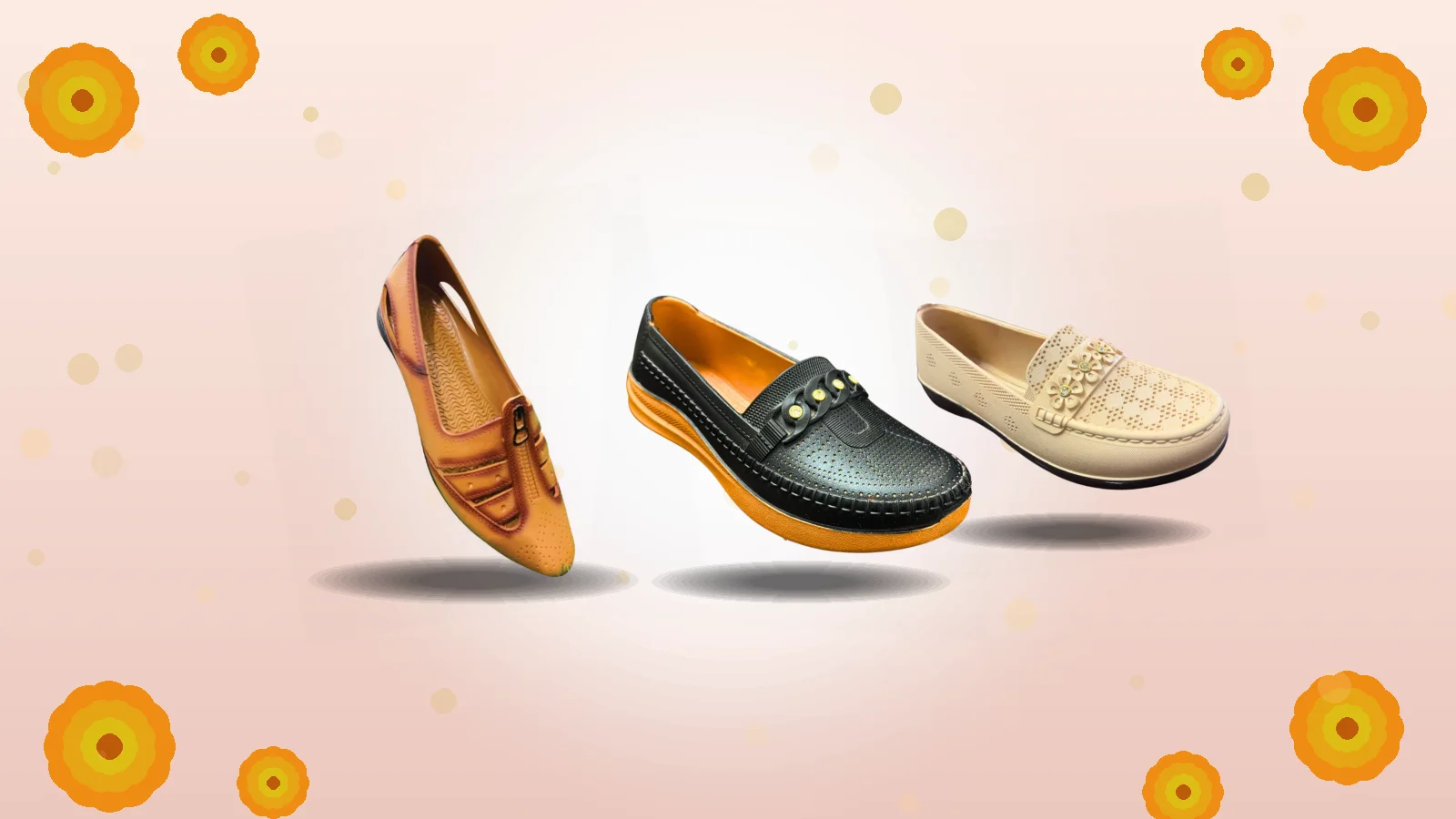

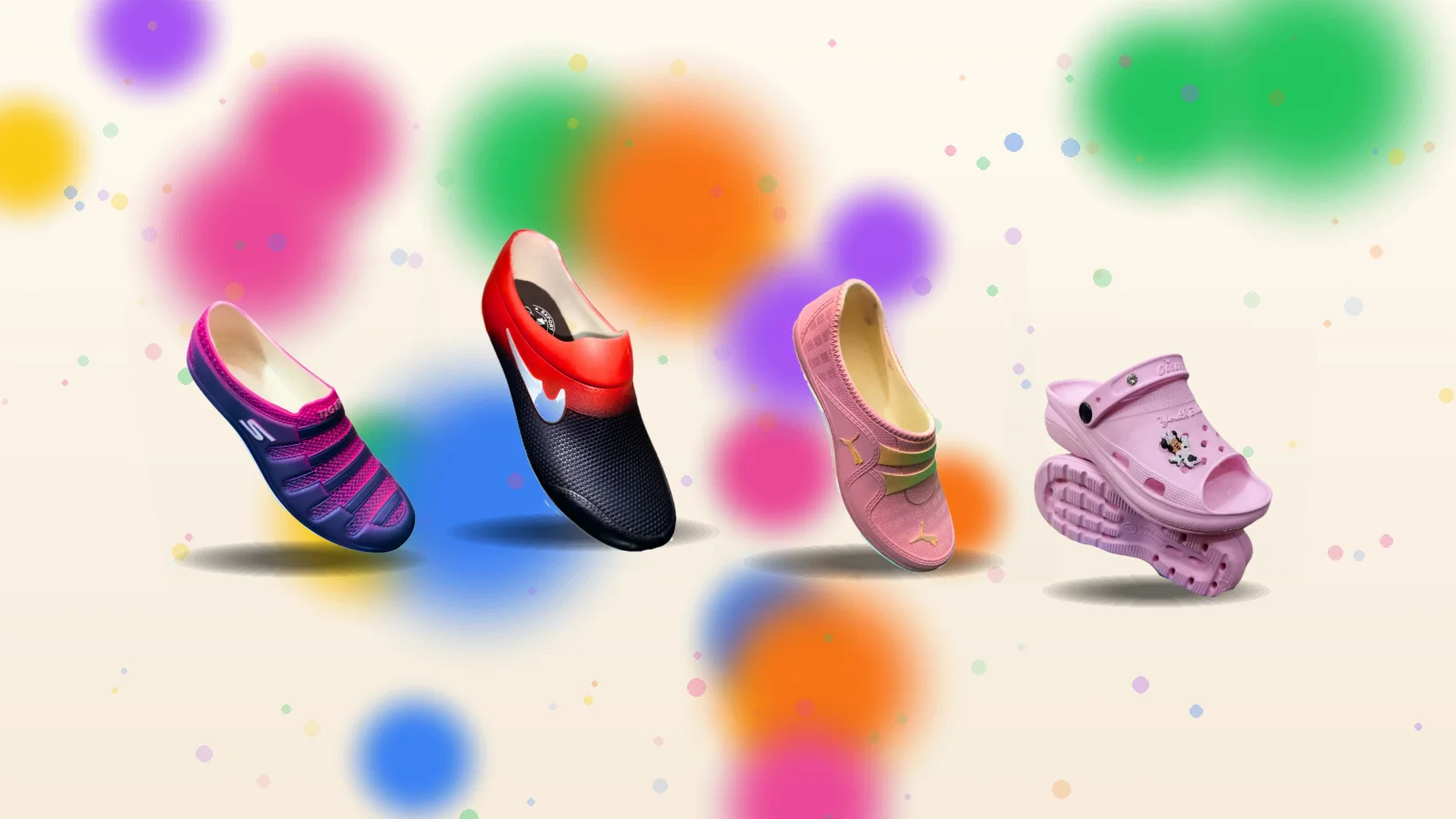
Footwear is one of the most seasonal categories in Indian retail. A shop that sells mostly closed shoes in January may sell mostly sandals and clogs in July, and festive flats in October. The retailers who do best are the ones who see the season coming and have the right stock on the shelf two weeks before customers start asking for it.
This calendar is a planning tool. It walks through the year month by month, lists the occasions that usually drive footwear demand, and suggests what to stock and when to order. Festival dates move each year — many follow the lunar calendar — so use it alongside the current year’s calendar for your region.
How to use this calendar
- Look 6–10 weeks ahead. Seasonal orders from a manufacturer need time for production and transport.
- Split each season into a main order and a top-up. Order the safe core early; order the second round once you see what your own customers choose.
- Adapt to your region. Monsoon timing, wedding months and the importance of each festival differ between states.
January to March: winter weddings, Makar Sankranti and Holi
The wedding season usually continues into January and February in many regions, so festive flats, loafers and men’s ethnic slip-ons keep selling. Makar Sankranti, Pongal and Lohri in January bring short bursts of family shopping.
Holi, usually in March, is a special case: many people buy an inexpensive pair specifically to wear while playing with colours, then keep their good pairs safe. Easy-to-wash PVC slip-ons, slides and clogs sell well in the week before Holi. This is also the time to place your summer order.
April to June: summer, Eid, back-to-school and the late wedding season
As temperatures rise, demand shifts to open and breathable styles: slides, flip-flops, sandals and light knit slip-ons. Eid, whose date moves each year with the lunar calendar, brings strong family shopping for new outfits and footwear — ladies’ flats, men’s loafers and kids’ styles all benefit.
Schools reopen in April in some states and in June in others, so kids’ footwear demand rises around those dates. There is often another cluster of weddings in late spring. Towards the end of this period, place your monsoon order.
July to September: monsoon, Raksha Bandhan and Janmashtami
The monsoon is the season of water-friendly footwear. Moulded PVC and EVA styles — clogs, slides, sandals and closed slip-ons that can be rinsed and dried quickly — become the core of most shops’ sales. Customers look for:
- Good grip on wet floors,
- Uppers that do not absorb water,
- Quick drying and easy cleaning,
- Dark colours that hide mud splashes.
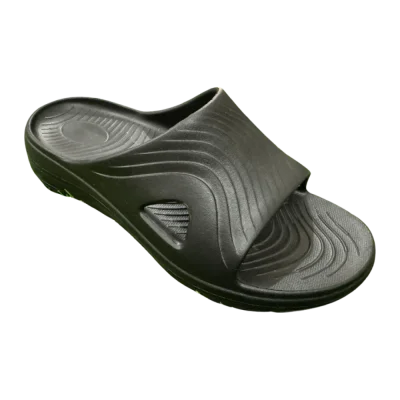
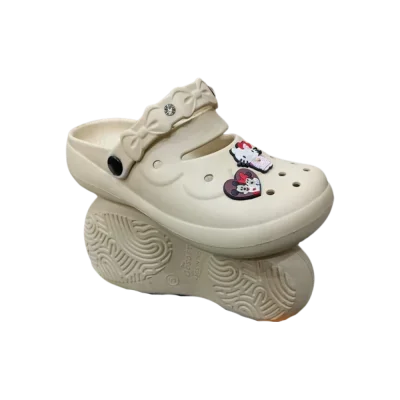
OOSOFT clogs and slides, and Richoosoft moulded slip-ons, are made for exactly this season. Raksha Bandhan and Janmashtami bring smaller festive peaks, especially for ladies’ and kids’ footwear.
October to November: Navratri, Durga Puja, Dussehra and Diwali
This is the main festive season. Navratri and Durga Puja shopping starts early in October in many years, and Diwali follows in October or November. Demand is broad — ladies, men and kids — and appearance matters more than at any other time of year. Festive colours, metallic details and polished finishes move fastest. We cover this period in detail in our Diwali stocking guide.
Main festive orders should be placed 8 to 10 weeks before Diwali, with a top-up 3 to 4 weeks before.
December: wedding season and year-end
The wedding season is usually in full swing, carrying festive styles forward. Christmas and New Year matter in some cities and for younger customers. December is also the right time to review the year: which articles sold through, which colours stayed on the shelf, and what to change in next year’s plan. See our wedding season guide for stock planning.
The year at a glance
| Months | Main occasions | Footwear in demand | Order by |
|---|---|---|---|
| Jan–Mar | Weddings, Sankranti/Lohri/Pongal, Holi | Festive flats & loafers; washable PVC for Holi | Nov–Jan |
| Apr–Jun | Summer, Eid, school reopening, weddings | Slides, flip-flops, sandals, knit slip-ons, kids’ styles | Feb–Apr |
| Jul–Sep | Monsoon, Raksha Bandhan, Janmashtami | Clogs, PVC sandals, slides, dark slip-ons | Apr–Jun |
| Oct–Nov | Navratri, Durga Puja, Dussehra, Diwali | Festive ladies’ flats, men’s loafers, kids’ styles | Jul–Sep |
| Dec | Weddings, year-end | Festive and formal styles | Sep–Oct |
Regional festivals that change the plan
The national calendar is only part of the picture. Regional festivals create their own peaks, and a shop that plans for them gets a head start on competitors:
- Pongal and Makar Sankranti (January) — strong family shopping in Tamil Nadu, Andhra Pradesh, Karnataka, Gujarat and Maharashtra.
- Bihu (April) — a key buying moment in Assam.
- Vishu and Onam (April and late August/September) — the biggest occasions in Kerala; Onam in particular brings new-clothes and new-footwear shopping.
- Ganesh Chaturthi (August/September) — especially important in Maharashtra, Goa and parts of Karnataka.
- Navratri and Garba (September/October) — nine nights of dancing in Gujarat and beyond; light, comfortable footwear sells strongly.
- Durga Puja (September/October) — the year’s biggest shopping season in West Bengal and the east.
- Chhath (shortly after Diwali) — important in Bihar, Jharkhand and eastern Uttar Pradesh.
Add the festivals that matter in your area to your own calendar and treat each one as a small season with its own order date.
Weather drives footwear as much as festivals
Festivals decide when people buy; weather decides what they buy. In much of North India, winter brings demand for closed shoes, loafers and socks-friendly styles, while summer pushes customers to slides, sandals and breathable knit uppers. The monsoon calendar varies by region — it typically arrives in Kerala first in early June and reaches North-West India weeks later — so “monsoon stock” needs different arrival dates in different states. Coastal cities have long humid seasons where moulded, quick-drying footwear sells year-round.
School, college and work footwear
Two non-festival demand peaks are easy to forget:
- School reopening. Parents buy footwear for children in the weeks before the new academic session — April in some states, June in others. Comfortable, durable and easy-to-clean kids’ styles lead.
- College admissions and job joining. Young adults buy smarter shoes and loafers in June–August when colleges open and new jobs start.
Both peaks favour practical, durable footwear rather than festive styles, so they balance your sales between the big festive seasons.
Matching stock to cash flow
Seasonal planning is also about money. Placing every order early ties up cash; placing every order late risks missing sales. A sensible balance for many shops is:
- Commit to the safe core of each season early, when production slots are available.
- Hold back part of the budget for top-ups once the first two weeks of sales show what is working.
- Use quieter months to clear slow stock and to plan the next season with your supplier.
Five planning habits that reduce dead stock
- Keep a simple sales log by article, colour and size. Even a notebook or spreadsheet is enough to plan next year better.
- Order the core early and the trends late. Safe colours first; statement colours in the top-up.
- Carry fewer articles in more colours. It looks like a fuller range and keeps total quantity under control.
- Plan the hand-over between seasons. Festive styles flow into the wedding season; monsoon clogs can continue as everyday wear.
- Talk to your supplier early. Production slots fill up before every major season.
Plan your next season with us
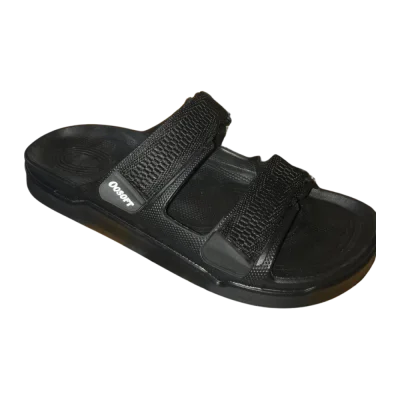
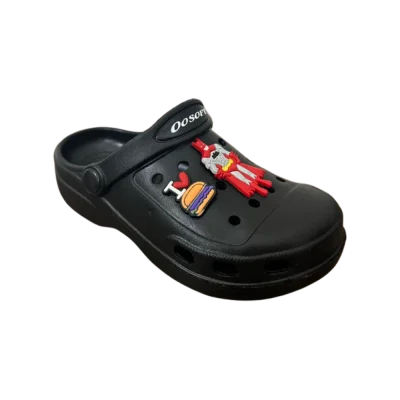
Browse the full Richoosoft and OOSOFT catalogue, filter by brand and by men, women or kids, and add the articles and colours you want to your cart. Sending the cart opens WhatsApp with your complete order for our sales team to confirm — there is no online payment.
Styles from our catalogue
Frequently asked questions
What is the busiest season for footwear sales in India?
For most retailers the festive period around Diwali and the wedding season that follows are the busiest, but the exact pattern depends on your region, your customers and your product mix.
When should I stock monsoon footwear?
Plan to have PVC sandals, clogs and slides on the shelf before the first rains in your region — usually in late May or June for much of India — and order them 6 to 8 weeks earlier.
Do festival dates change every year?
Yes. Many Indian festivals follow the lunar calendar, so their dates move from year to year. Always check the current year’s calendar before planning orders.
How far ahead should I order from a manufacturer?
For seasonal stock, 6 to 10 weeks ahead is a safe planning window, with a smaller top-up order once you see what sells.