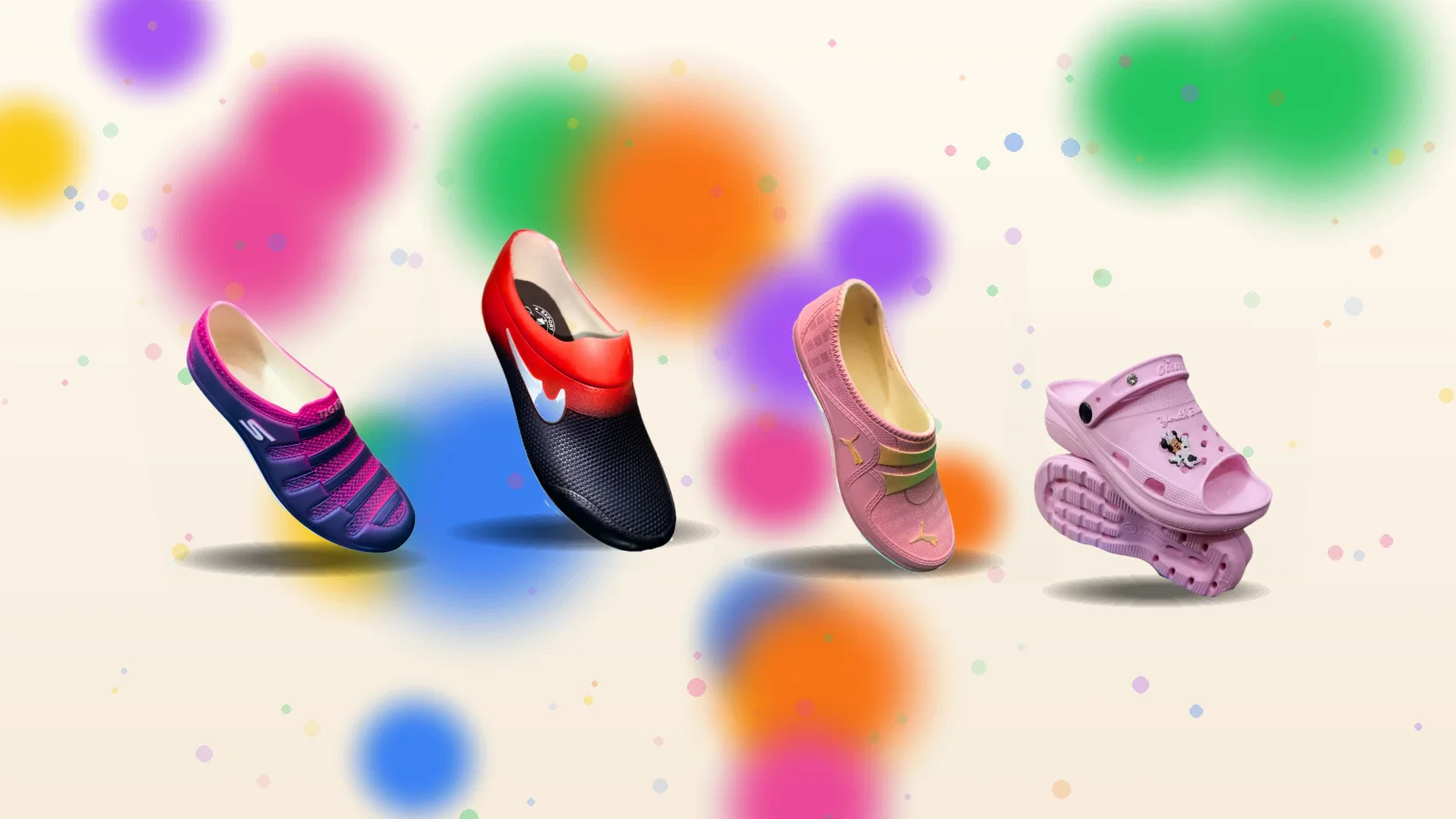

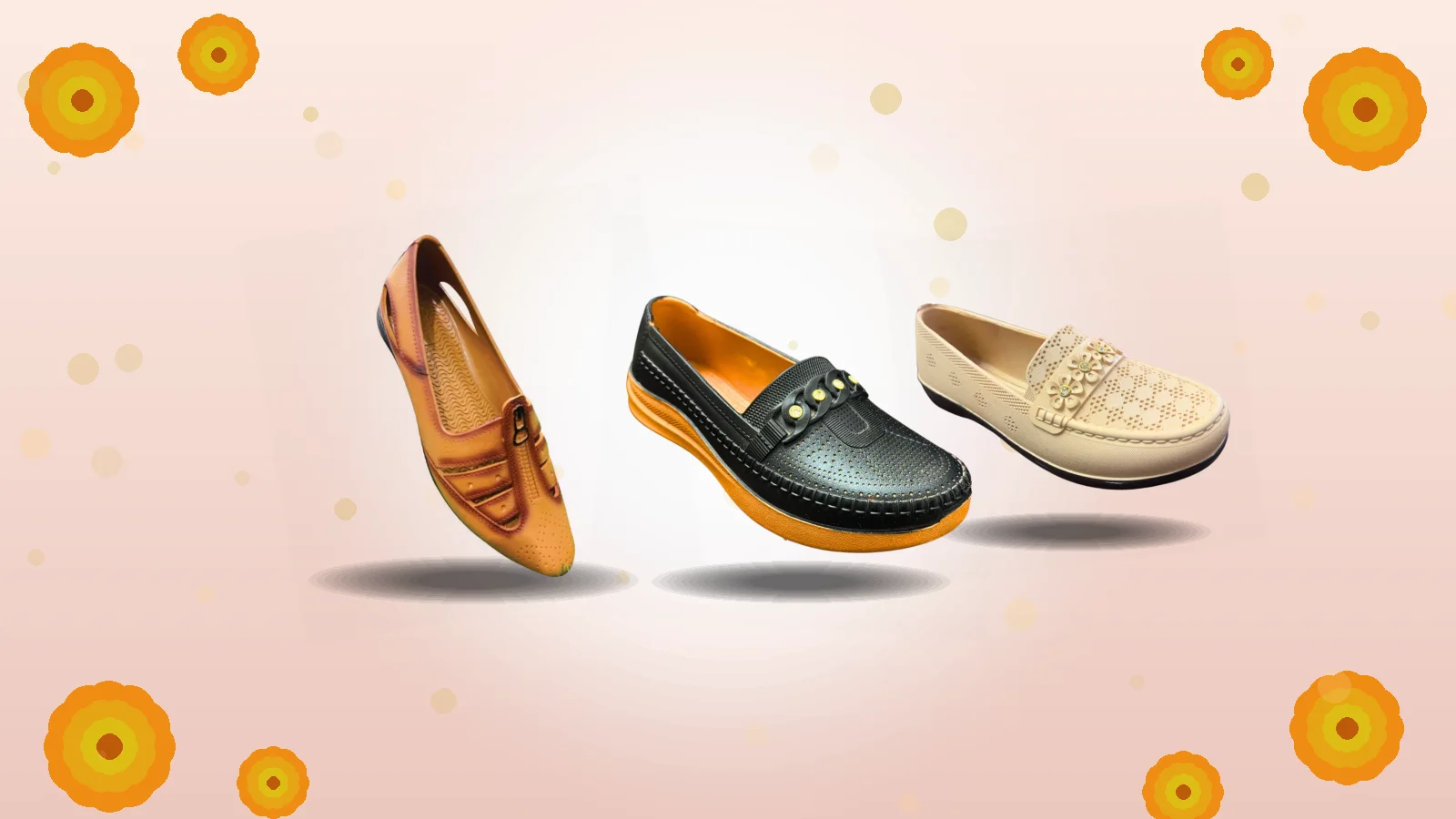
An Indian wedding is not one event; it is a series of functions — haldi, mehendi, sangeet, the wedding itself and the reception — often spread over several days. Each function has its own dress code, and guests increasingly want footwear that matches the outfit and survives hours of standing and dancing. For a footwear retailer, that means one family can buy several pairs in a single wedding season.
This guide covers how to plan wedding-season stock: which styles to carry for each occasion, how to think about colours and sizes, when to order, and simple ways to sell more pairs per customer. It is based on what shops and distributors ask us for when they place wedding-season orders with our Hapur factory.
Understand your market’s wedding calendar
The busiest wedding months vary by region and by year, because they follow auspicious dates. In much of North India the main season runs from around November to February, with another active period in late spring. Before you order:
- Check the local muhurat calendar for the coming season — your regular customers and local wedding planners will know the busy weeks.
- Look at your own sales from the last season: which weeks were busiest, and what sold out?
- Plan your stock to arrive two to three weeks before the first busy cluster of dates.
Styles that sell for each function
| Function | Women | Men | Kids |
|---|---|---|---|
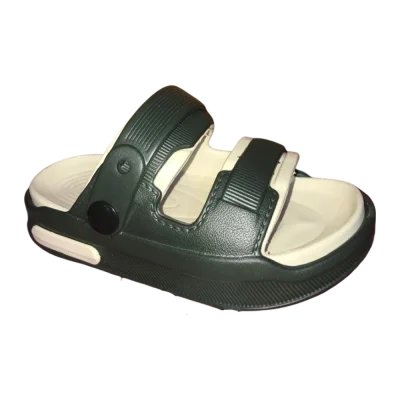
| Haldi / mehendi (daytime, casual) | Light flats, soft slip-ons, bright colours | Comfortable slip-ons and sandals | Clogs and sandals in bright colours |
| Sangeet (dancing) | Cushioned bellies and flats that stay on the foot | Light loafers | Secure, easy-fastening styles |
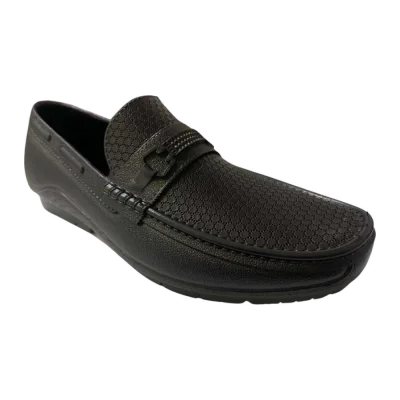
| Wedding / reception | Loafers and flats with metallic or chain details, golden and pink tones | Polished loafers, ethnic cut-out slip-ons in tan, brown and black | Smart-looking pairs in festive colours |
From our own range, the Pradhan Ji and Raja slip-ons are often chosen for men’s ethnic wear, while ladies’ styles such as Sweety, Barkha and Dream Girl cover the festive-but-comfortable look.
Why comfort sells in the wedding season
Ask anyone who has attended a three-day wedding: footwear that looks good but hurts by the second evening does not get worn again. Customers have learned this, and many now ask for:
- Cushioned insoles and flexible soles for long hours of standing.
- Light weight, especially for dancing at the sangeet.
- Secure fit — slip-ons and flats that do not slip off the heel.
- Easy cleaning — a moulded or coated upper that can be wiped after an outdoor function.
Point these benefits out at the counter. “You can wear this all evening” is a stronger selling line in the wedding season than almost any other.
Colours for the wedding season
Wedding palettes are warmer and richer than everyday ones. For ladies’ styles, golden pink, onion pink, purple, wine, beige with metallic trims and black with golden accents work well. For men, tan and dark brown lead for ethnic wear, with black for formal looks. Keep a base of neutral colours too — guests at evening functions often choose black or brown because they go with everything.
A practical approach is to choose fewer articles but carry each one in more colours, so a customer can match the pair to the outfit without leaving your shop.
Sizes and quantities
Wedding-season buying is concentrated, so running out of middle sizes in the peak week hurts more than usual. Plan a middle-heavy assortment (for example more pairs in ladies’ 6–8 and men’s 7–9), and keep a little extra depth in your two bestselling articles. If you are unsure, order an assorted size set per carton and top up after the first busy fortnight.
Our usual minimum is 500 pairs per article, split across colours as you like. Smaller shops often combine a festive and a wedding order into one larger programme to make the most of that quantity.
Selling more pairs per family
- Display by family. Group a ladies’, a men’s and a kids’ style in matching tones — families often buy together for a wedding.
- Offer a “second pair for the second function”. A comfortable flat for the mehendi alongside a dressier pair for the reception.
- Share looks on WhatsApp. Send photos of outfit-matching combinations to customers who have weddings coming up.
- Keep spares at hand. Customers who buy for a wedding often return for a relative who “needs the same pair in a different size”.
Regional differences you should plan for
India is not one wedding market. What sells in a Punjab shop differs from what sells in Gujarat, Bengal or Tamil Nadu, and urban customers often want different styles from customers in smaller towns. A few patterns to keep in mind:
- North India: long wedding seasons with many functions; strong demand for ethnic men’s footwear, festive ladies’ flats with metallic detail, and warm colours.
- West India: colourful functions such as garba-style celebrations; light, comfortable footwear for dancing sells well.
- East India: wedding seasons that overlap with major festivals; classic, elegant colours tend to lead.
- South India: traditional outfits pair well with simple, comfortable flats and sandals; heat makes open styles important.
- Metro cities: more demand for “fusion” looks — comfortable shoes that work with both ethnic and western outfits.
Your own sales records remain the best guide; use these as starting points when testing a new range.
Footwear as a wedding gift and in trousseau shopping
Footwear is often part of trousseau shopping and family gifting. Brides’ families may buy several pairs at once — a pair for each function, plus comfortable everyday pairs for the new home. Grooms’ families buy for the groom and close relatives. Retailers can make this easier by:
- offering a quiet corner where a family can try several pairs together,
- keeping complete size runs of the most-gifted styles,
- offering simple gift packaging or bags for multiple pairs,
- noting the wedding date and following up with relatives who need matching pairs.
Mistakes to avoid in the wedding season
- Ordering late. Stock that arrives after the first cluster of wedding dates misses the most valuable weeks.
- Too many articles, too few colours. Customers want to match outfits; colour depth sells better than breadth of styles.
- Ignoring comfort. Styles that look festive but hurt after an hour create returns and bad word of mouth.
- Forgetting men and kids. Families shop together; a shop that only serves the bride’s look loses the rest of the basket.
- Not planning the top-up. The season is long; plan a second order for the colours that sell fastest.
After the season: what to do with remaining stock
Most wedding-season styles also work for festivals and parties, so unsold pairs rarely need heavy discounts. Move festive colours to a “party wear” display, pair them with the next festival in your calendar and review which colours did not sell so you can adjust next year’s order. Our festival footwear calendar helps you plan where those styles go next.
Placing a wedding-season order
On this website you can filter by brand and by men, women or kids, choose each article and colour, set the pairs and add everything to your cart. Sending the cart opens WhatsApp with the full order, and our sales team confirms prices, sizes and dispatch with you — no online payment is involved. For larger programmes or private label, use the bulk order form or call us from the contact page.
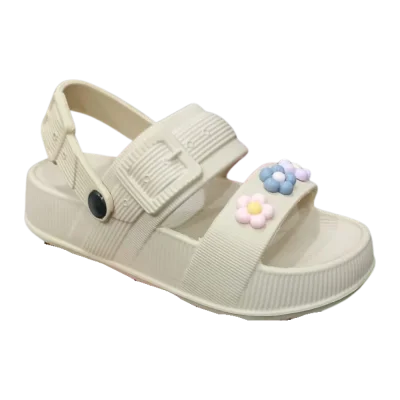
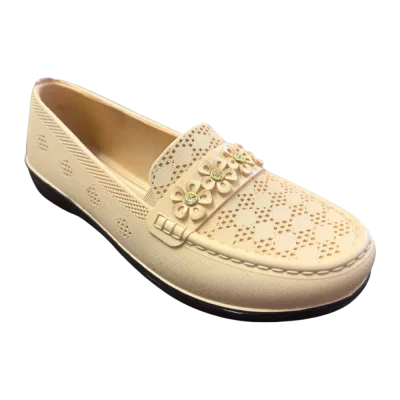
Styles from our catalogue
Frequently asked questions
When is the wedding season in India?
The main wedding months in much of North India run from roughly November to February, with another busy period around April to June. Exact dates depend on the auspicious dates (muhurats) each year, so check the local calendar for your market.
Which footwear sells best for weddings?
For women: comfortable flats, bellies and loafers with festive detailing. For men: loafers, ethnic slip-ons and juttis-style shoes that pair with kurtas and sherwanis. For kids: light, colourful and easy-to-wear styles.
Should I stock heels or flats for the wedding season?
Most shops stock both, but comfortable flats are increasingly requested because wedding functions involve long hours of standing, walking and dancing. Many customers buy a flat pair even if they also own heels.
Can I mix colours within the minimum order?
Yes. Our usual minimum is 500 pairs per article and you can split that quantity across the colours of the article.